How should management in an industrial workshop deal with a worker’s anger—especially when the worker displays aggressive behavior toward the manager in front of others?

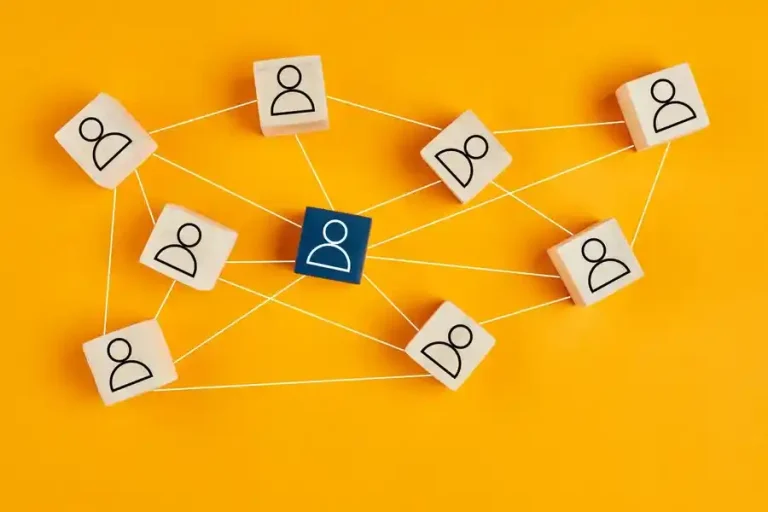
The worker’s anger cannot be interpreted merely as an individual behavior or a personal reaction. This anger is a sign of disruption or disharmony within the network of relationships among the individual, the work environment, the managerial structure, and the system of human communication in that workshop. Therefore, an effective managerial response must take place at the level of “relationship repair,” not mere behavior control.
Relying on the Compassionate Leadership model (the Iranian Safe Leadership Model) and the framework of enhanced operational transparency, the analysis proceeds as follows:
1. Problem Analysis
A worker’s anger in a group setting typically emerges from one of two pathways:
A feeling of being ignored, treated unjustly, or disrespected;
Or long-term pressure that has accumulated without any opportunity for response or relief.
Thus, the core issue is not “anger” itself but an “obstruction in communication.” Management should view the anger as a symptom of a weak communication system.
2. Process Clarification
In such a situation, the hierarchy of actions must be clear:
In the moment of crisis: Maintain calm and avoid reacting in front of the group. This prevents escalation.
After the situation calms down: Hold a one-on-one conversation in a safe, non-judgmental space to fully hear the worker’s account.
Analyze systemic causes: Determine whether the issue stems from individual misunderstanding, workload pressure, lack of training, or role misalignment.
3. Defining Executive Actions
Management should implement several specific, actionable steps:
A restorative conversation within 24 hours, aimed at mutual listening and clarification.
Compassionate yet firm feedback—a clear message that aggressive behavior is unacceptable, but the worker’s feelings and reasons are respected.
Designing a prevention pathway, including regular feedback sessions or mechanisms for expressing concerns before tensions escalate.
4. Indicators of Success
A 30% reduction in tension-related behaviors within one month;
Increased worker participation in feedback discussions;
Reports of improved group morale in internal workplace assessments.
5. Risk Prediction and Backup Plan
If the worker or other employees feel that the conversation is merely for “control,” trust will break and hidden anger will persist. It must therefore be ensured that the true intention is “understanding and relationship reconstruction,” not punishment.
6. Stakeholder Alignment
The leader, supervisor, and colleagues must convey a shared message: protecting human dignity at all levels. No corrective action should diminish the worker’s human value.
7. Feedback and Continuous Improvement
After each crisis, management should hold Reflection Sessions and evaluate the communication system so that the experience becomes organizational learning.
Logical Conclusion
Based on the principle of mutual connectedness, the worker’s anger is not the enemy of management but an indicator of a rupture in the relationship system. The role of the manager is to restore meaning and safety within this network of relationships. Scientific research in organizational psychology confirms that compassionate leadership increases perceptions of fairness and trust, substantially reducing the likelihood of collective anger.
Thus, effective management of worker anger lies not in suppression, but in rebuilding communication, respect, and mutual understanding—because every individual in the workshop is a meaningful part of the organization’s relational continuum.