The Developmental Path of Constructive Social Behavior from Childhood to Adolescence:The Roles of Attachment, Cognitive Development, and Peer Relationships
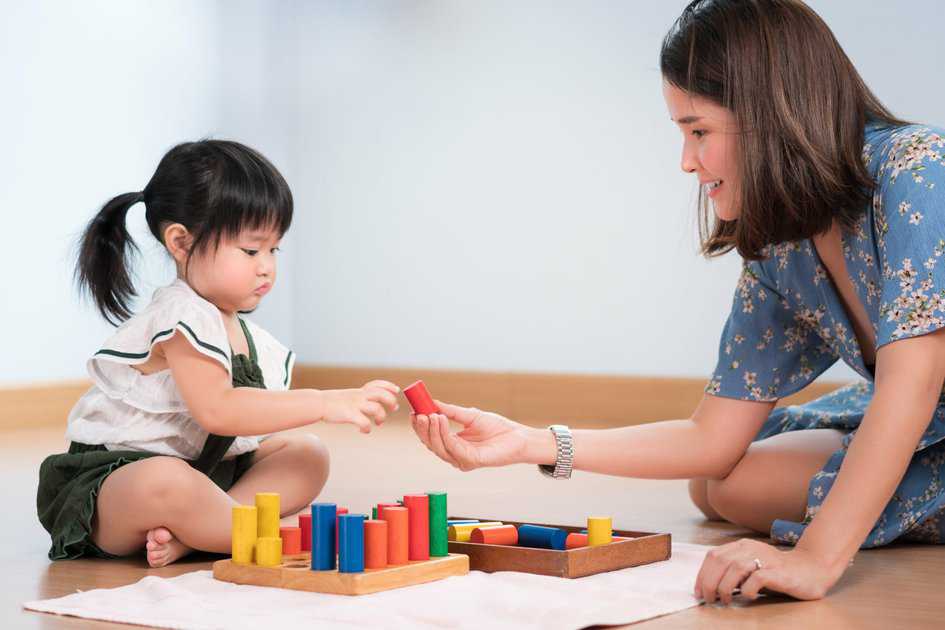
The development of social behavior begins with a child’s earliest emotional bonds. Experiences of consistency, responsiveness, and emotional reassurance from primary caregivers create a sense of security that allows the child to regulate emotions more effectively, trust others, and approach new situations in a calmer and more socially oriented manner. A child who learns to express distress and receives a soothing response is later less likely to resort to impulsive reactions among peers and is more inclined toward interaction and constructive problem-solving.
Alongside this emotional foundation, cognitive development plays a decisive role. As perspective-taking abilities grow, the child comes to understand that others have needs and emotions independent of their own and that the consequences of behavior extend beyond the immediate moment. This cognitive shift makes helping behaviors more deliberate and goal-oriented. For example, a child in the elementary school years not only perceives a friend’s distress but can also identify which action will help restore group balance.
Peer relationships at this stage become a crucial learning context. Within daily interaction networks, children encounter cooperation, conflict resolution, resource sharing, and reciprocal feedback. These experiences help them learn the implicit rules of social interaction and establish stable patterns of supportive behavior. Structured group activities at school provide a clear example of this process, where children learn to share responsibility, manage disagreements, and support less experienced peers.
With the transition into adolescence, this developmental pathway becomes more complex. Brain maturation, heightened emotional sensitivity, and the growing need for identity formation reshape adolescents’ perspectives on social behavior. Constructive behavior is now evaluated not only in terms of external consequences but also through personal values and self-image. During this period, emotion regulation becomes especially critical, as adolescents must choose between impulsive reactions and considered decisions in situations such as peer pressure or group conflict. Adolescents who have acquired cognitive reappraisal and emotional calming skills tend to favor negotiation and relationship repair rather than aggression or withdrawal.
Family and educational environments play a sustained role throughout this entire trajectory. When caregiving and educational climates emphasize cooperation, respect, and genuine opportunities for participation, children and adolescents experience constructive behavior not as a moral obligation but as an effective strategy for social interaction. Classrooms that incorporate structured cooperative activities provide a natural setting for practicing supportive roles—from assisting classmates to coordinating group efforts and managing disagreements.
At the practical level, parents and educators can strengthen this pathway through simple yet intentional actions: offering descriptive rather than judgmental feedback, encouraging emotional expression and cognitive reappraisal, creating real opportunities for participation and helping, and modeling constructive behavior in practice. Additionally, fostering an environment that treats mistakes as part of learning—rather than as a sign of weakness—creates valuable opportunities to rehearse social skills.
Overall, the development of constructive social behavior is the result of the continuous integration of early emotional experiences, cognitive development, peer relationships, and the quality of educational and family environments. This process flourishes when children and adolescents are able to establish a dynamic balance among cognitive capacities, emotional processes, and social responsibilities. In the long run, such balance leads not only to more stable and healthier relationships but also to active participation, strong self-regulation, and a durable sense of personal competence in adulthood.